
TPMS service and tire pressure monitoring diagnostics

TPMS Diagnostics & Sensor Service

Tire pressure monitoring systems

TPMS Service You Can Trust

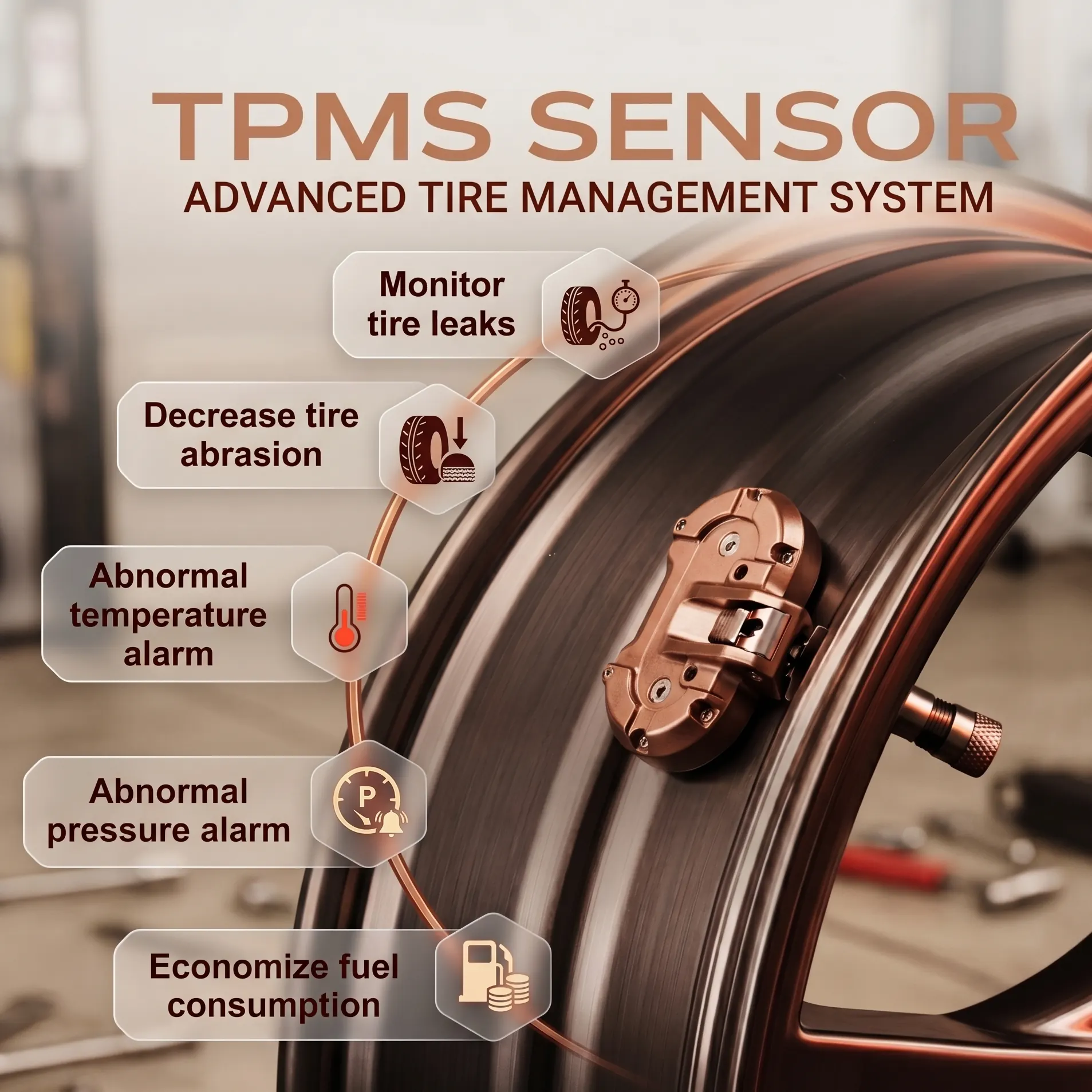
The Tire Pressure Monitoring System (TPMS) is an electronic system designed to detect under inflated tires. TPMS has been required on light motor vehicles in the United States since 2007, as documented in the TREAD Act.

When TPMS detects an under inflated tire, it alerts the driver with a dashboard warning light, giving you more time to react.

If your TPMS is not working correctly, the service technicians at CFI Tire Service are here to help. We repair and replace TPMS sensors, diagnose malfunctioning systems, and reset warning lights in the event of an incorrect trigger.

TPMS sensor service and diagnostics at CFI Tire Service

Direct TPMS vs Indirect TPMS

There are two primary types of Tire Pressure Monitoring Systems: Direct (dTPMS) and Indirect (iTPMS). CFI Tire Service services both.

Direct TPMS

Most vehicles use direct TPMS. In this system, each tire has its own sensor located on the inside or outside of the tire. The individual sensors report to your vehicle's onboard computer.

A direct TPMS often relies on sensor batteries, so sensors have a limited lifespan. Most systems only record data while the vehicle is running to help those batteries last longer.


Indirect TPMS

Indirect TPMS monitors each tire's rotational speed to determine whether or not a tire is at proper inflation levels. An under inflated tire has a smaller overall diameter and rotates faster to cover the same distance.

If the system detects one tire rotating at a different speed, it alerts you to an inflation issue. Indirect TPMS may also detect over inflated tires, since they can rotate more slowly than the others.

3 Good Reasons To Repair TPMS

Road Safety

An early warning about a flat tire can make a big difference. TPMS alerts give you more time to react, pull over safely, and avoid wheel damage.

Tire Life

Incorrect inflation levels can cause faster tread wear and reduce your tire's defense against road hazards.

Tire Performance

Properly inflated tires provide better wet and dry handling. Underinflated tires increase hydroplaning risk, blowout risk, and loss of control in curves.

TPMS sensor inspection in service bay
TPMS repair and warning light reset service

Interactive Demo

Tire Pressure Challenge

Connect the hose, start the compressor, and stop in the safe zone. It is a quick way to show why proper inflation matters and why TPMS warnings should not be ignored.

STEP 1: TAP VALVE TO CONNECT

Compressor

0.0 PSI

TARGET: 32 - 38 PSI

MAX: 45 PSI (BOOM)

Need TPMS service? Contact CFI Tire Service for diagnostics, sensor replacement, and warning light resets.

We serve Council Bluffs, IA; Glenwood, IA; Omaha, NE; and surrounding areas.

Council Bluffs: (712) 388-9744 | Glenwood: (712) 527-2757